

Longevity in real estate says something.
Many master-planned communities open strong, sell quickly, and eventually settle into routine suburbia.
Summerlin hasn’t.
In 2026 — now in its 36th year of development — Summerlin was ranked among the Top 10 master-planned communities in the United States for new home sales, according to the Las Vegas Review-Journal.
That’s not early momentum. That’s sustained demand.
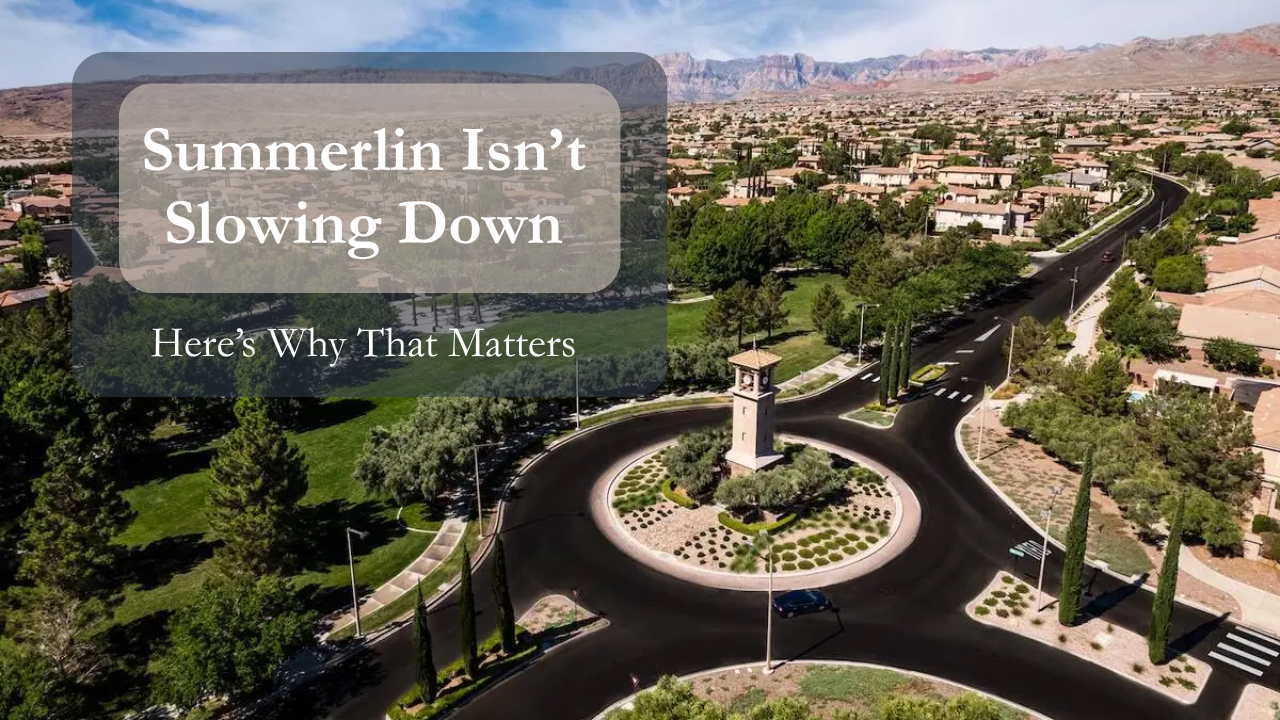
(Top 10 ranking | 36th year milestone)
When a community nearly four decades into development is still outperforming newer projects across the country, it’s worth paying attention.
It Was Designed to Age Well
Summerlin wasn’t built in fragments. It was planned.
From the beginning, neighborhoods, schools, parks, retail, office space, and recreation were integrated into a single framework. That long-term vision is visible today.
More than 250 parks.
Over 200 miles of interconnected trails.
Village layouts that connect instead of isolate.
You don’t feel like you’re moving between subdivisions. You feel like you’re moving within a community. And buyers increasingly prioritize that kind of infrastructure.
The Commercial Backbone Is Real
Some communities depend on nearby amenities. Summerlin built its own.
Downtown Summerlin anchors retail, dining, office space, and entertainment — allowing residents to live and work close to home.
Add in regional draws like City National Arena and the Las Vegas Ballpark, and you get economic energy that supports surrounding neighborhoods.
That depth creates stability. It builds confidence. And it helps explain why demand remains consistent.
Why Summerlin Values Tend to Trade Higher
Across the Las Vegas Valley, pricing varies. Summerlin frequently trades at a premium.
That premium is rooted in:
• Amenity density
• Established infrastructure
• Ongoing builder confidence
• A 36-year track record of thoughtful development
Summerlin still has multiple actively selling villages and new inventory coming online — something many communities at this stage cannot say.
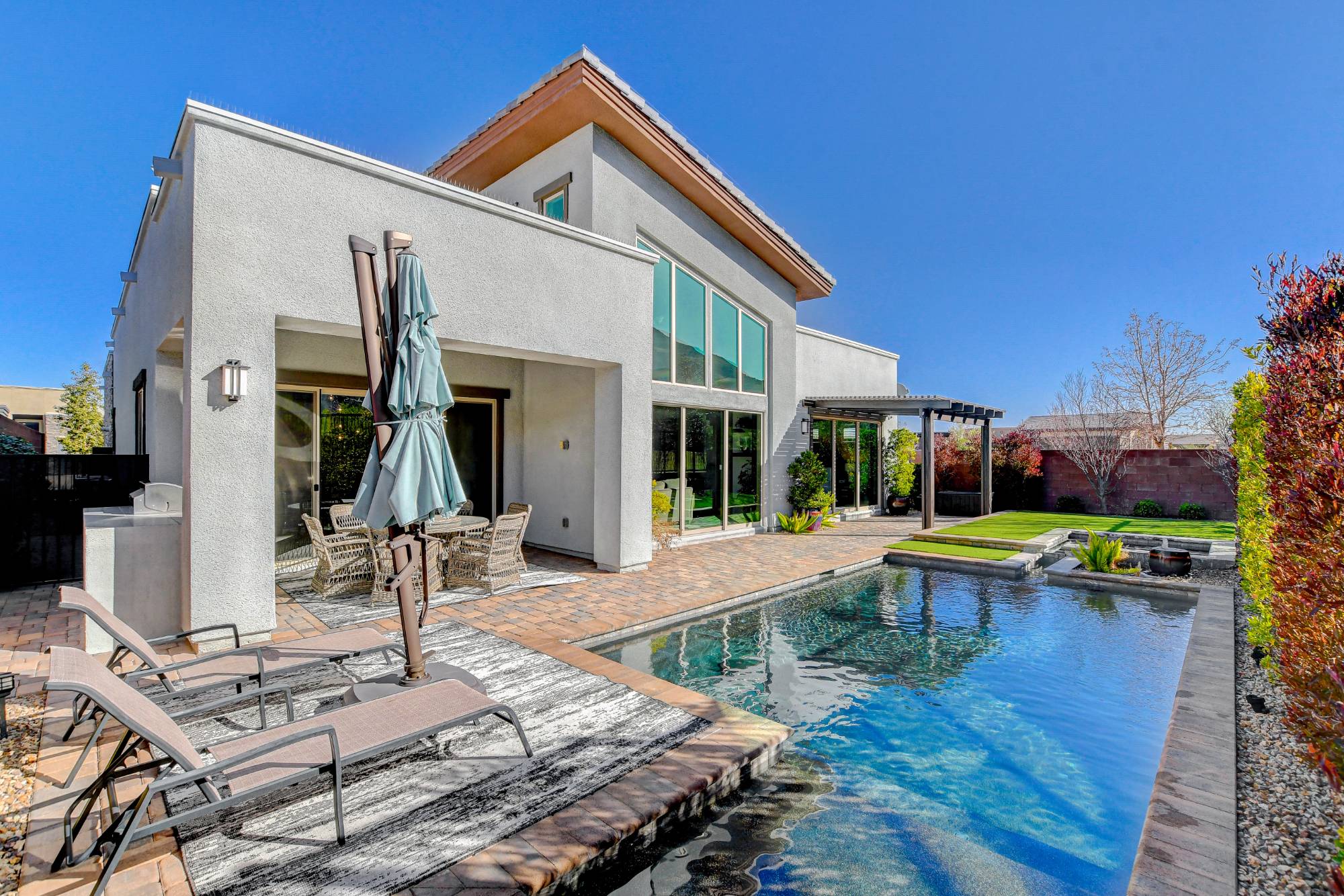
(Actively selling villages | Homes overview)
When buyers compare options across the valley, Summerlin tends to check more boxes. Markets reward that.
The Different Faces of Summerlin
Summerlin isn’t one neighborhood. It’s layered.
Summerlin South
Established streetscapes. Mature landscaping. Proximity to Downtown Summerlin. A mix of mid-range homes and luxury enclaves. Stability is the draw here.
Summerlin West
Newer phases. Contemporary architecture. Modern layouts. Fresh parks and village design. Buyers looking for new construction often gravitate here while still benefiting from the broader Summerlin ecosystem.
Both areas operate under the same master plan — just appealing to different life stages.
Why Being Top 10 in Year 36 Matters
Many master-planned communities peak early and taper off.
Summerlin, nearly four decades in, is still ranking nationally for new home sales.
That tells you something important:
This isn’t hype.
It’s durability.
And in real estate, durability drives long-term value.
If You’re Considering Summerlin
If you’re buying, you’re stepping into infrastructure that’s been refined for decades — not experimenting with a brand-new concept.
If you’re selling, you’re positioning within a community that still carries national credibility and sustained buyer demand.
Summerlin’s strength isn’t that it’s new.
It’s that it continues to perform.
If you’re thinking about buying or selling here and want a clear look at where your property or price range fits within the current Summerlin market, I’m always happy to have that conversation.
No pressure. Just clarity.