

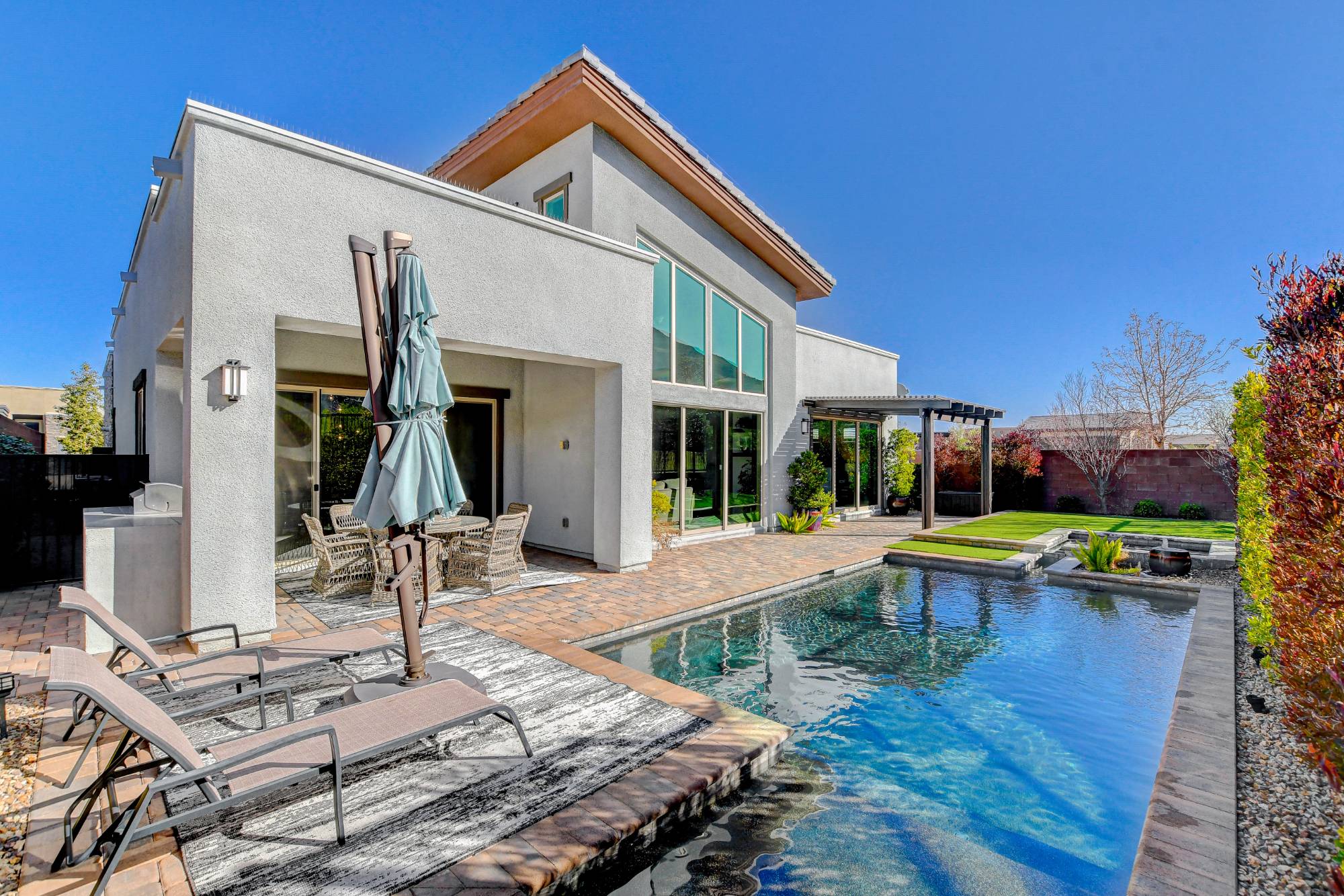

Short answer: you can sell a Las Vegas rental with a tenant still living in it, and under Nevada law the lease survives the sale, so the buyer takes over as landlord on the same terms. The real decision is who you want to sell to. Keeping the tenant in place points you toward investor buyers; delivering the home vacant opens it up to owner-occupants, who are usually the larger pool. Pick the path first, then build the timeline around it.
I get this question a lot from owners who bought in Las Vegas years ago, rented the home out after a move, and now want to cash out. The mistake I see most often is listing first and figuring out the tenant situation later. That usually costs time, money, or both.
What happens to the lease when a Las Vegas rental sells?
It stays in force. Under NRS 118A.349, when a rental property is voluntarily sold, the new owner takes on the previous landlord’s rights and obligations under the existing rental agreement, and the tenant keeps theirs, unless the new owner and tenant agree otherwise. The new owner also has to notify the tenant within 30 days of the sale with contact information for paying rent and confirmation that the lease continues. The seller transfers the tenant’s security deposit as part of the handoff under NRS 118A.244.
Can I show the house while my tenant lives there?
Yes, with notice. NRS 118A.330 says a tenant cannot unreasonably withhold consent for the landlord to show the home to prospective buyers, but outside of emergencies the landlord has to give at least 24 hours’ notice and enter at reasonable times during normal business hours, unless the tenant agrees to something different. In practice, what the statute allows and what gets a house sold are two different things. A cooperative tenant is worth more than any legal right to access.
Should I sell with the tenant in place or wait until the home is vacant?
Here is how the three realistic paths compare.
| Path | Likely buyer pool | Upside | Risk |
|---|---|---|---|
| Sell with the tenant and lease in place | Investors, often cash or investor financing | No vacancy period, rent keeps coming in during escrow | Smaller buyer pool; investors price off rent and cap rate, not finishes; limited showings and photos |
| Let the lease end (or give proper notice on month-to-month), then list vacant | Owner-occupants plus investors | Largest buyer pool; full staging, photos, and open showings; easier to price against owner-occupant comps | Carrying costs with no rent during prep and marketing; turnover repairs |
| Negotiate an early move-out with the tenant | Owner-occupants plus investors | Faster path to a vacant listing without waiting out the lease | Costs money; it only works if the tenant agrees, and the agreement should be in writing |
If the tenant is on a month-to-month agreement, NRS 40.251 generally requires at least 30 days’ written notice to end it, and tenants who are 60 or older or have a disability can request an additional 30 days. Build that into your timeline rather than assuming a clean 30-day turnaround.
Why the buyer pool matters so much for price
Most owner-occupant loans require the buyer to move in within a set window after closing, commonly 60 days, which means an owner-occupant usually cannot buy a home with a lease running well past closing. That takes a large share of buyers off the table the moment you list with a long lease attached. Investors fill some of that gap, but they underwrite on rent, expenses, and return, and they rarely pay extra for the new flooring you put in three years ago.
That gap is widest in owner-occupant-heavy areas. In most of Summerlin, for example, the buyers competing for a single-family resale are primarily people who plan to live there, and the comps reflect that. In price bands with more rental activity, like a lot of the valley’s condo and townhome stock (Las Vegas REALTORS put the August 2026 condo and townhome median at $299,900), investor demand is deeper and the discount for selling tenant-occupied is usually smaller. Where your property sits on that spectrum should drive the decision. I covered how local prices have been moving against the national trend in this breakdown of national versus Las Vegas home prices, which is useful context before you set a number.
How to prepare a tenant-occupied listing
- Pull the lease, any addenda, the current rent, the deposit amount, and the payment history. Buyers and their lenders will ask for all of it.
- Have the tenant confirm the lease terms, rent, and deposit in writing (often called an estoppel letter) so there are no surprises at closing.
- Talk to the tenant before the sign goes up. Explain the timeline, the showing schedule, and what happens to their lease.
- Consider offering a rent credit for cooperation with showings and keeping the home show-ready. It is often cheaper than a single extra month on the market.
- Decide on the path (tenant in place, vacant, or negotiated move-out) and price for the buyer pool that path attracts.
- Talk to a Nevada real estate attorney before giving any notice or signing a move-out agreement. The details matter, and this post is general information, not legal advice.
One thing I will not do is tell you that one path will net more than another before looking at your specific lease, property, and price band. Your timeline and results depend on the tenant, the home’s condition, current inventory, and who is buying in your area right now. Based on what I have seen in recent Las Vegas sales, the owners who plan the tenant piece first tend to have smoother escrows.
If you own a rental in the valley and are thinking about selling in the next six months, call or text me. I will look at your lease terms and your comps and give you a straight answer on whether to sell occupied, wait for the lease to end, or talk to your tenant about moving out early.
Geoff Zahler | Broker/Owner, Zahler Properties