

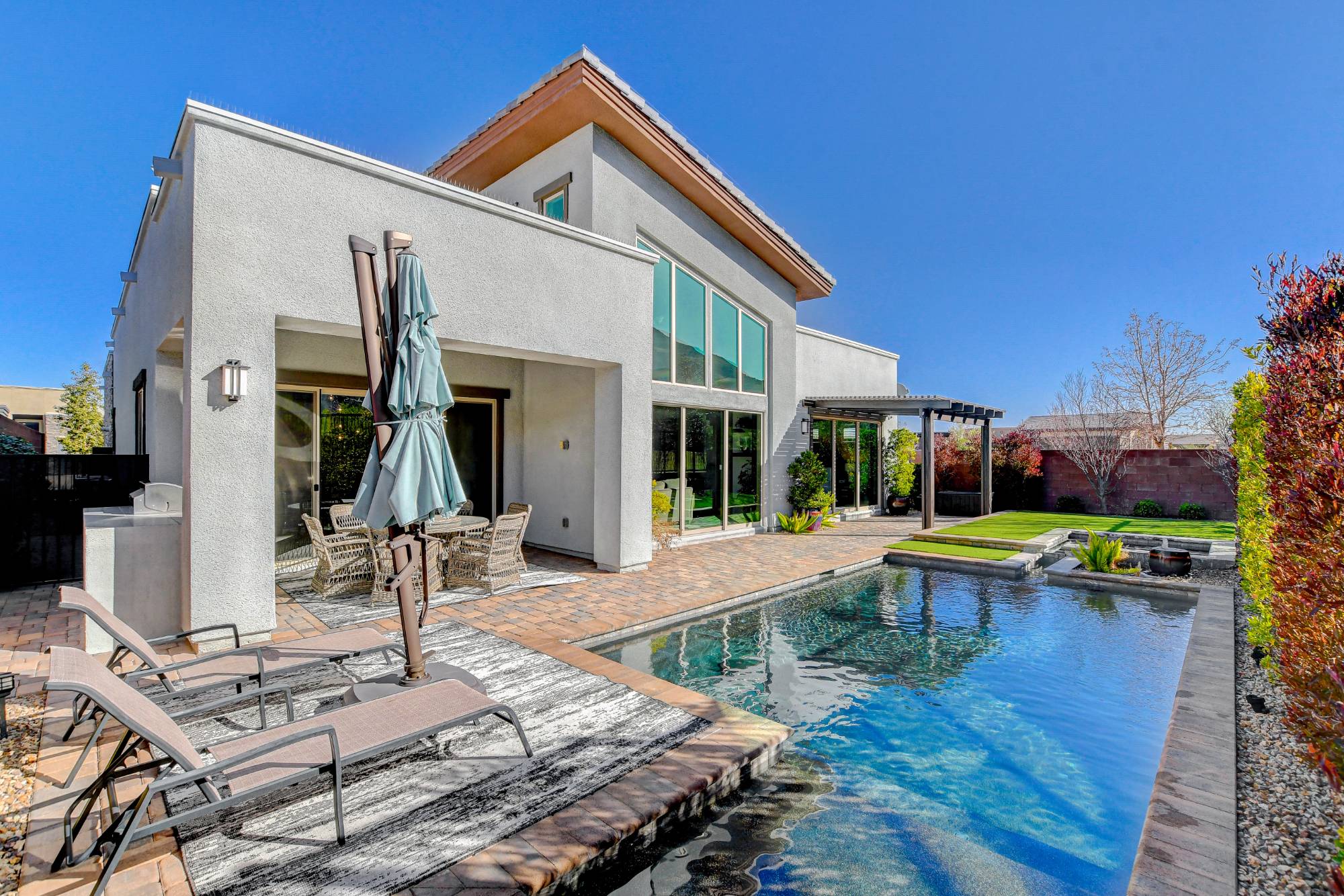

Short answer: if your listing is going to be the highest-priced closed sale in your subdivision this year, or there is nothing else recently sold that truly matches it, protect your number by giving the appraiser a wider, well-documented comp package before the appointment, not after a low number already comes back. In many cases, the gap between what a buyer will pay and what an appraiser can support on paper gets wider when there is no recent closed sale at your exact price point, so the burden is on you and your agent to make sure the appraiser has the best available market information.
I see this most often with the newest or most upgraded resale home in an older Las Vegas subdivision, or a listing that is simply ahead of where the rest of the neighborhood has traded in the last six to twelve months. The prep is different than a typical listing, and having the right information ready before the appraisal can make a meaningful difference.
Why is an outlier-priced listing harder to appraise?
An appraiser builds their number primarily from recent closed sales that are truly comparable in size, condition, and location. When your home is priced above every recent closed sale in the immediate area, there is no direct comp to point to, and the appraiser has to lean on judgment, adjustments, and comps from outside your subdivision to support a higher number. According to the National Association of Realtors’ Realtors Confidence Index, appraisal issues have been delaying somewhere around 6 to 7 percent of contracts nationally through mid-2026, and that share tends to run higher on homes that stand apart from their immediate comps.
How do you help an appraiser bracket a listing with no direct comp?
Appraisers are trained to “bracket,” meaning they look at sales both above and below the subject property to support an adjustment. You can make that process work in your favor:
- Pull comps from adjacent or competing subdivisions that share your home’s age, lot size, design, condition, or finish level, even if they are not in your immediate subdivision.
- Provide a full, itemized upgrade list with actual costs and permit information where available. Include before-and-after photos, invoices, plans, or other documentation that helps establish what has been changed. Keep in mind that the amount spent on an improvement does not automatically equal the amount it adds to market value. The appraiser is looking at how the market reacts to those improvements
- Include recent pending or under-contract sales your agent knows about, not just closed ones. These can provide useful context about where the market is moving, although closed sales remain an important part of the appraisal analysis.
- Highlight objective market signals, like multiple offers, strong showing activity, or a short marketing period, when those facts can be documented. These can help demonstrate buyer demand, but they are supporting evidence rather than proof by themselves that a particular contract price represents market value.
What should you document differently than a typical listing?
| Step | Typical Listing | Highest-Priced or Outlier Listing |
|---|---|---|
| Comp package | 3 to 4 recent closed comps in the subdivision | Wider selection of the best available closed in the subdivision comps, including nearby competing subdivisions |
| Upgrade Documentation | General list of updates | Itemized costs, permits, and before/after photos where possible |
| Market Data | Recent Closed Sales | Closed sales plus relevant pending or under-contract sales and current competition |
| Property Features | Basic Property Information | Clear documentation of what makes the features resale home different from the available comps |
What happens if the appraisal still comes in below contract price?
Even with strong preparation, an outlier-priced home can still appraise below contract, especially in a market where recent comps haven’t caught up to current pricing. If that happens, your realistic options are generally the same as any low appraisal: request a formal reconsideration of value with additional comps, renegotiate price or terms with the buyer, or see whether the buyer’s contingency allows them to cover the gap in cash. Which path makes sense depends on your specific contract terms and how much room both sides actually have.
For more on how automated value estimates compare to what an appraiser will actually support, I wrote about that in Avoiding the Zestimate Trap for Your Summerlin Home Search.
If your home is going to be the highest sale in your subdivision this year, or close to it, send me your upgrade list and I will help you pull a wider comp radius before you go under contract, so there are fewer surprises at the appraisal.
Geoff Zahler | Broker/Owner, Zahler Properties
775-351-4699 | [email protected] | zahlerproperties.com